Create and refine images or videos with Dreamina’s prompts, references, model choices and interactive editing in one creative workspace.
AI Image GeneratorsFreemium
Turn scripts, blog posts and presentations into narrated videos, then edit scenes, visuals, voices and captions.
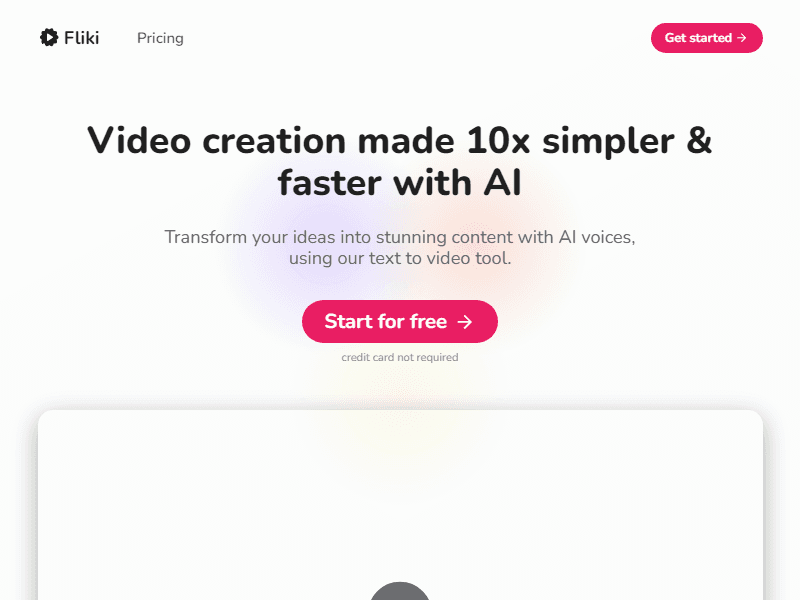
Fliki combines script preparation, AI narration and visual assembly in a video workspace. You can start with a written script, an idea, a blog URL or a presentation, then develop a narrated explainer, social video or training segment. It is useful for creators and small marketing teams who have written material but need a video version, and for educators turning slides into spoken lessons.
The starting input matters. A finished script gives you more control over what the narrator says; a short idea asks the system to make more editorial choices. Automatic visual suggestions provide a first assembly, while the editable project lets you replace material that does not communicate the intended point.
Fliki organizes a project into scenes rather than treating the entire video as one indivisible generation. The official editor guide describes adding, duplicating and reordering scenes, combining visual and audio layers, and previewing the result. A common scene holds elements that continue throughout the project, such as background music or a logo.
The text-to-video workflow pairs narration with stock media or generated visuals. You can swap the suggested imagery, adjust captions and choose an aspect ratio appropriate to the destination. Voice selection covers languages and dialects; narration controls help refine delivery. Pause insertion is not supported by every voice, so an available control for one voice should not be assumed to work with another.
Avatars and voice cloning can add a recurring presenter or familiar voice where the selected plan supports them. These options are most useful when presentation consistency matters across a series. They do not remove the need to review pronunciation, script meaning and the suitability of each scene.
A training coordinator could begin with an approved onboarding slide deck. Convert it into a video project, then review the narration for details that were implied visually but never written on the slides. Split an overloaded explanation into separate scenes and replace a generic stock image with an actual product screenshot.
Next, choose a voice, preview difficult names and add readable captions. Adjust the background music so it does not compete with instructions. Review the complete sequence before exporting, especially the handoff between scenes and any translated wording. A shorter vertical version can focus on one task, while the wider training version retains the full explanation. This is an editorial example, not a promise that conversion preserves every slide layout automatically.
Fliki offers a free entry plan and paid subscriptions, with organization-specific arrangements also listed on its pricing page. Free exports carry a watermark and have tighter allowances. Export resolution, length, commercial rights, voice cloning, avatars and collaboration vary by plan. Check the current comparison against the actual deliverable you need.
Credits are affected by the models, settings and media used; a project assembled from uploaded or stock footage need not cost the same as one containing generated video and avatars. Plan a representative short segment before committing to a long series. Generated scripts can introduce unsupported details, and an automatically selected image can illustrate the wrong object or action. Fliki provides production components and an editable assembly; the publisher still needs to approve factual content, visual relevance and the rights to uploaded material.